Beyond Research
Cycling, the outdoors, and the occasional data question.
Outside my academic work, my main hobby is cycling, and now and then it overlaps with the day job.
I ride bikes, both outdoors and indoors on Zwift, and I try to put in 8 to 12 hours a week, though the honest average is closer to 8 or 9; a good week hits 12, but life tends to get in the way. Most of it is around Fribourg, where I live: into the hills and mountains when I want to climb, and out toward the Murtensee (Lake Murten) when I want flatter, faster roads. Off the bike, I also hike, nothing too extreme, and go for the occasional run. I log it all on Strava, if you want to follow along.
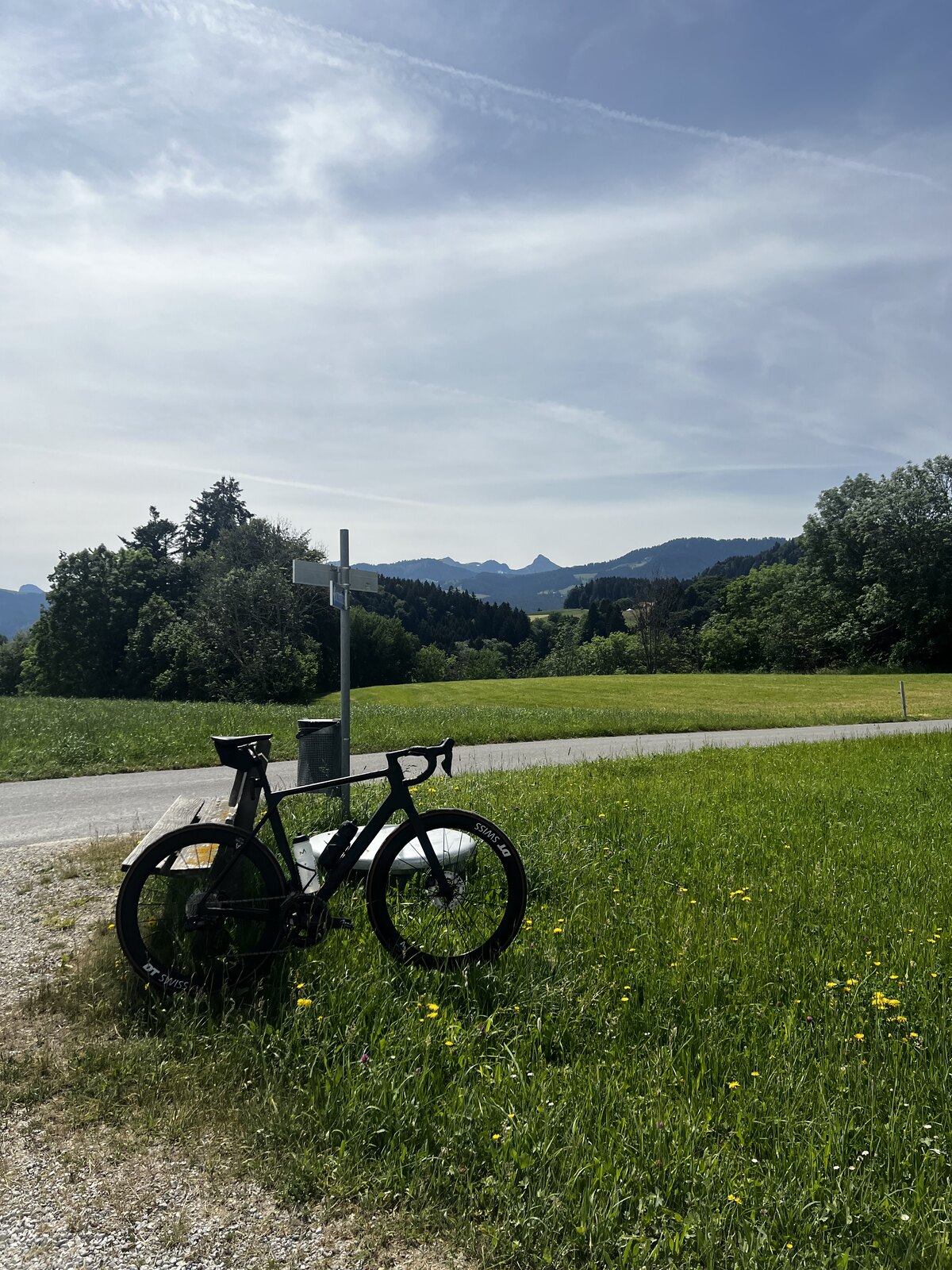
On the road bike near Schwarzenburg, the Préalpes behind. Spring 2026.
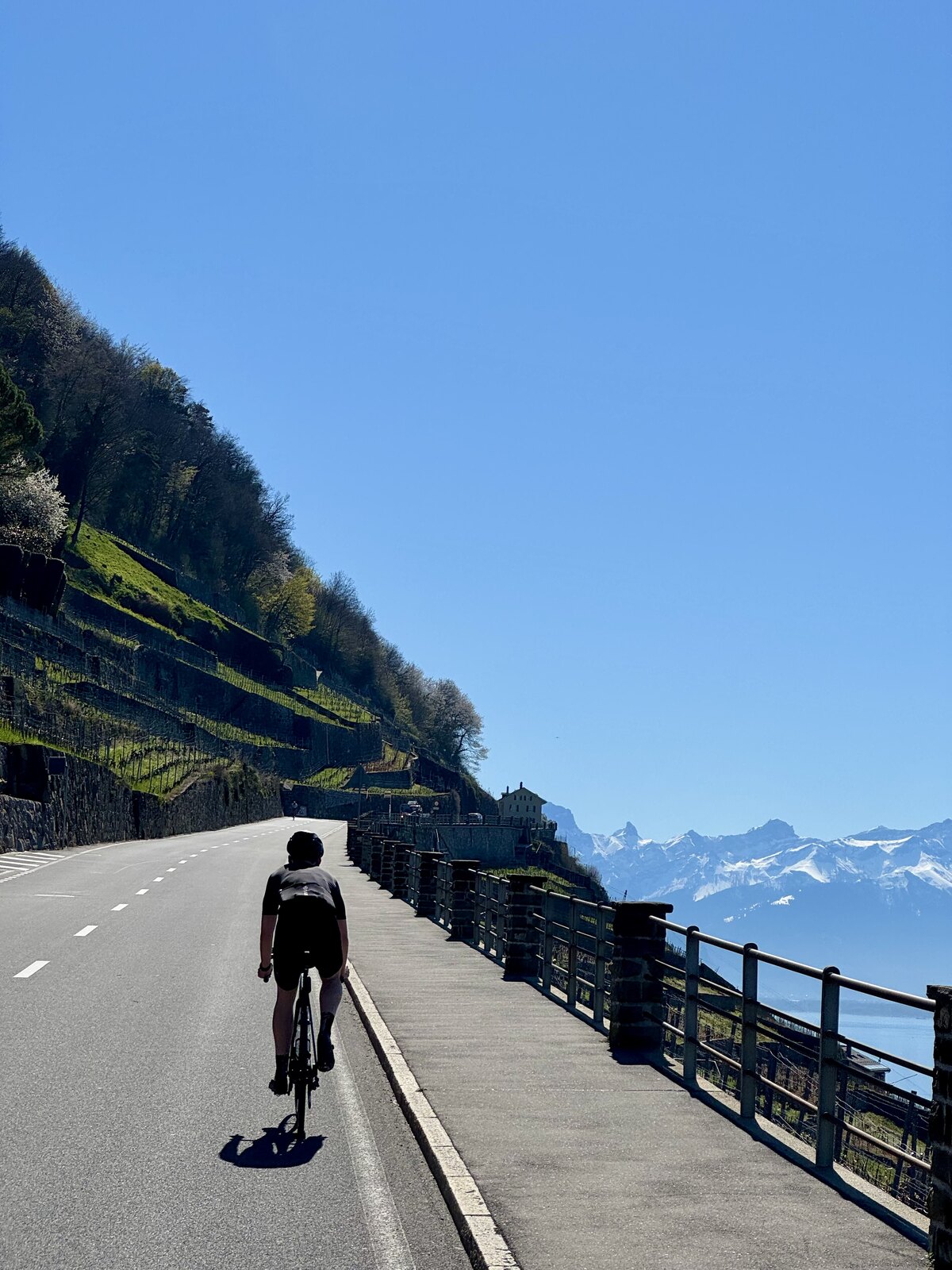
Climbing above Lake Geneva, in the Lavaux vineyards (Puidoux). Spring 2026.
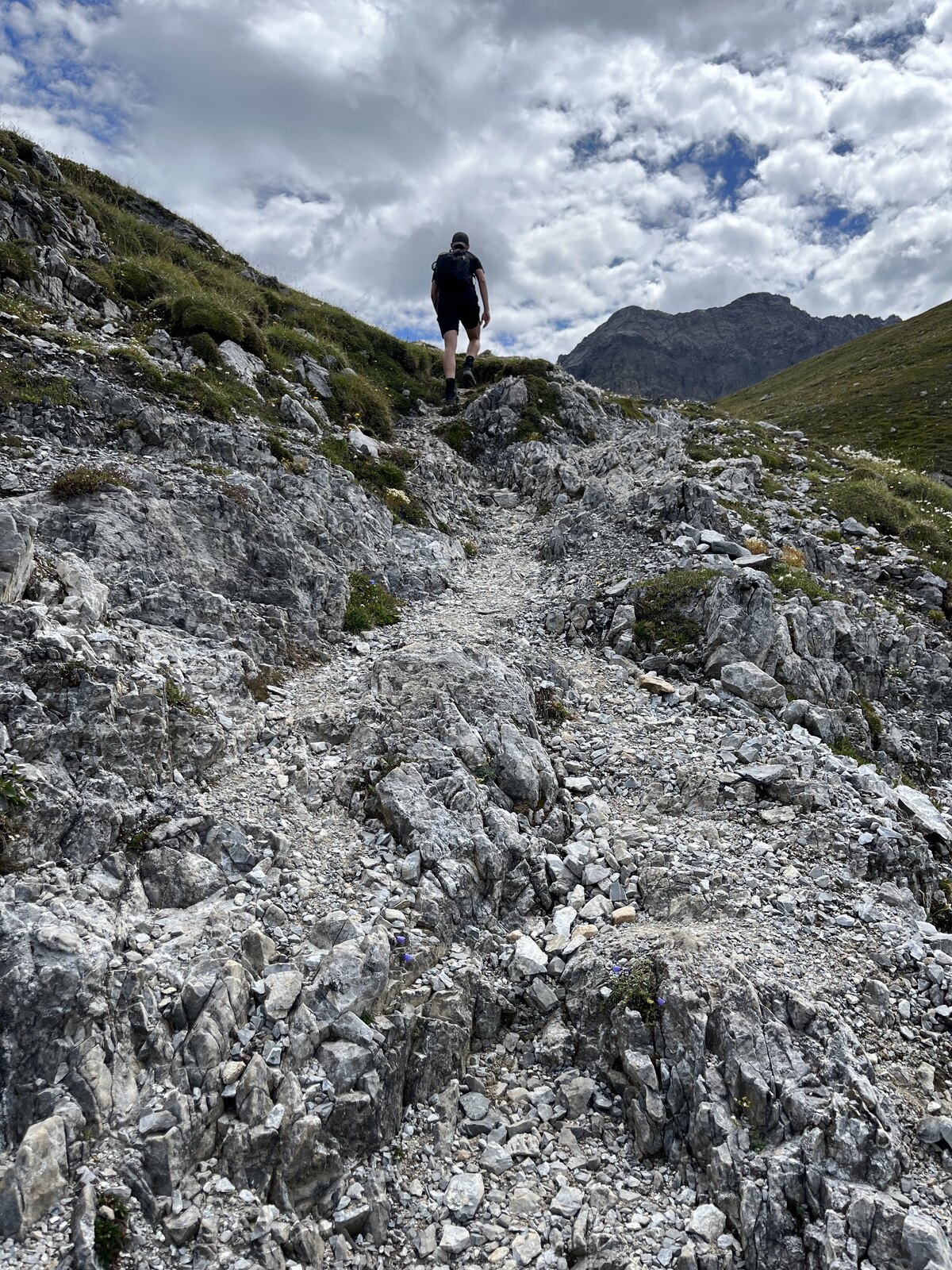
Hiking in the Alps. Summer 2025.
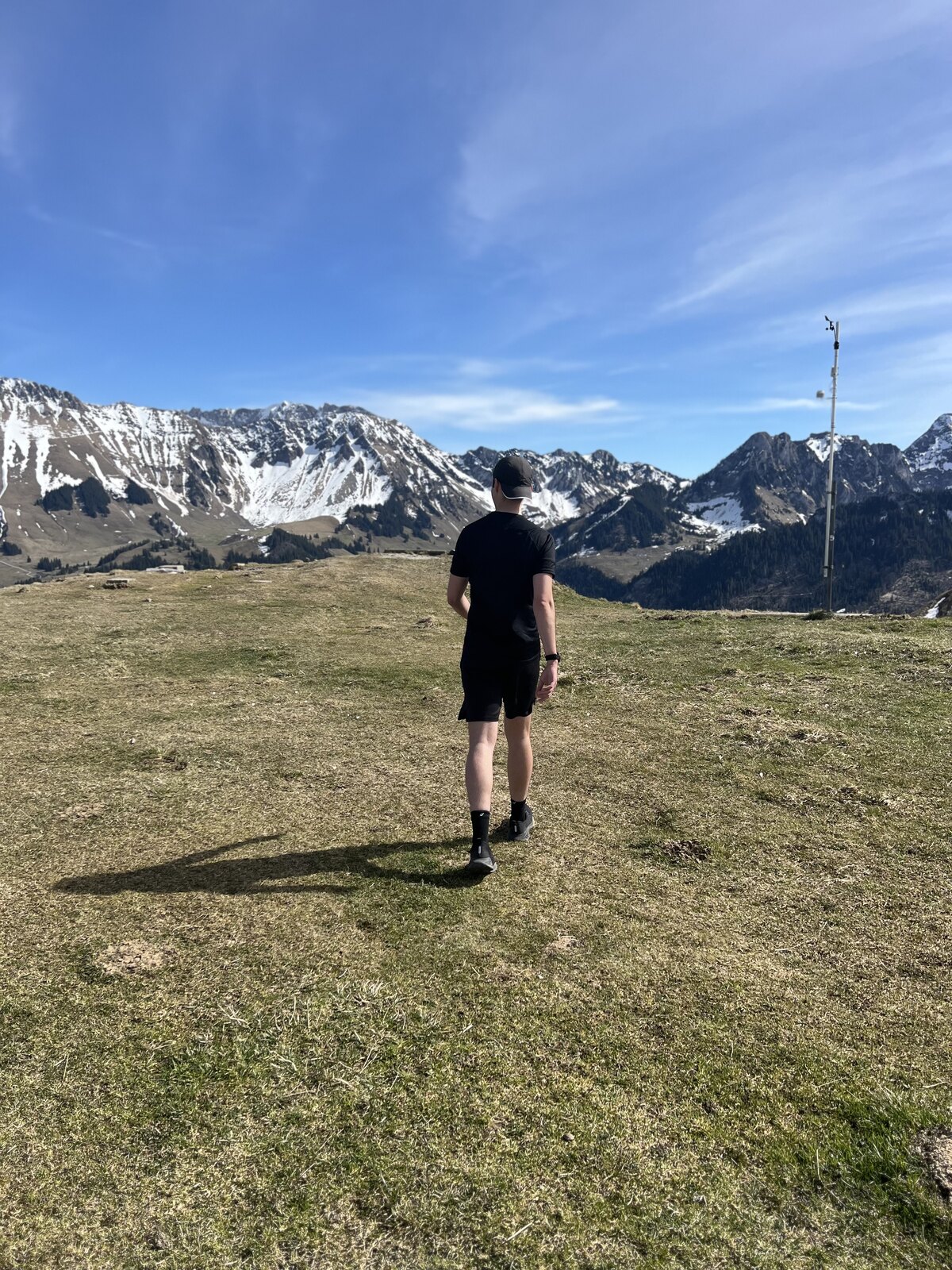
Above Schwarzsee, in the Fribourg Préalpes. Spring 2024.
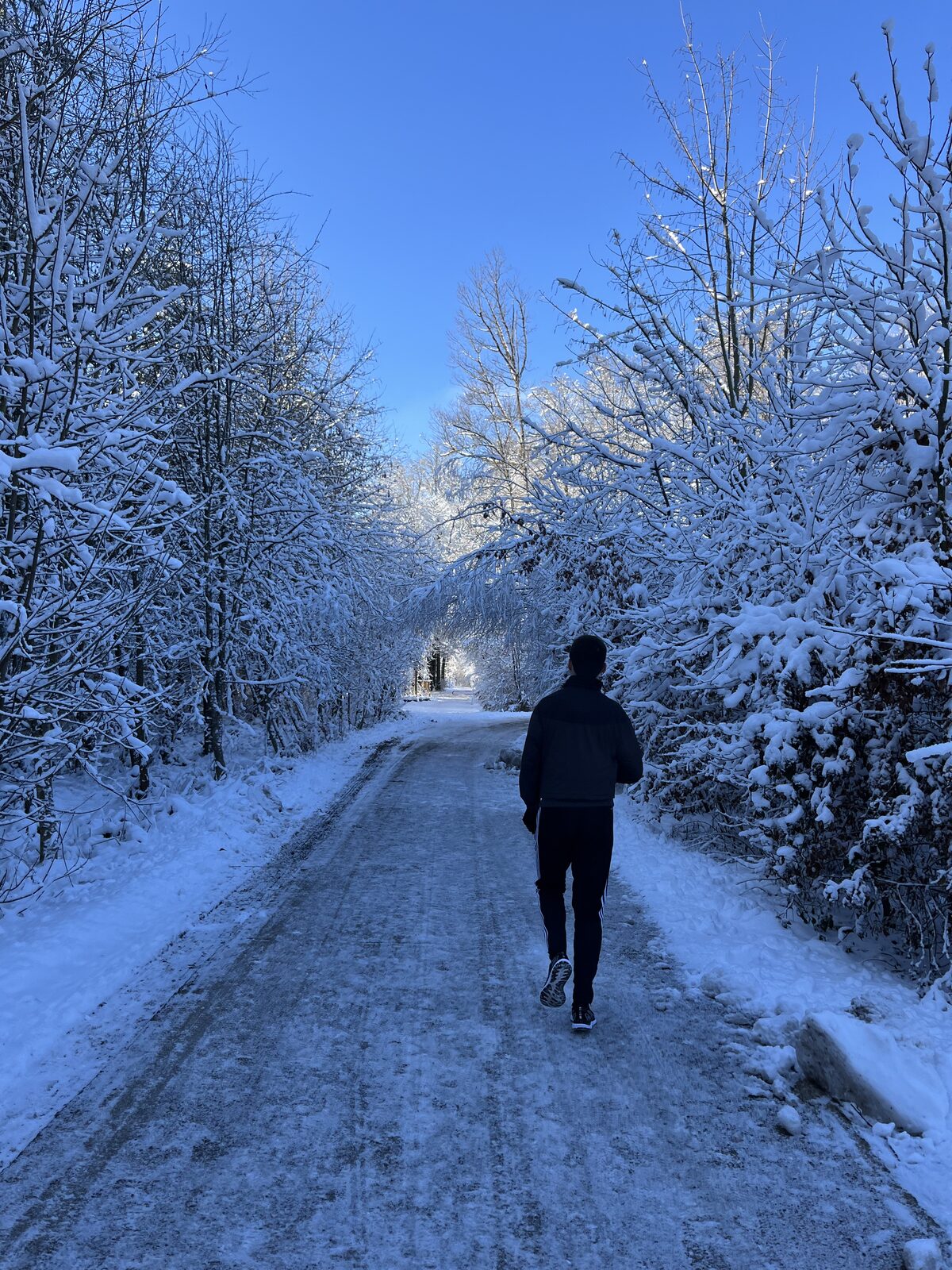
A run through fresh snow. Winter 2024.
Outdoor rides, runs, hikes and walks recorded across Switzerland, drawn from the GPS traces. Areas around the places I regularly set off from are left out.